Doctoral Research
Developed through doctoral research at the University of Southern California exploring improvisation as an experiential approach to youth development.
Origins
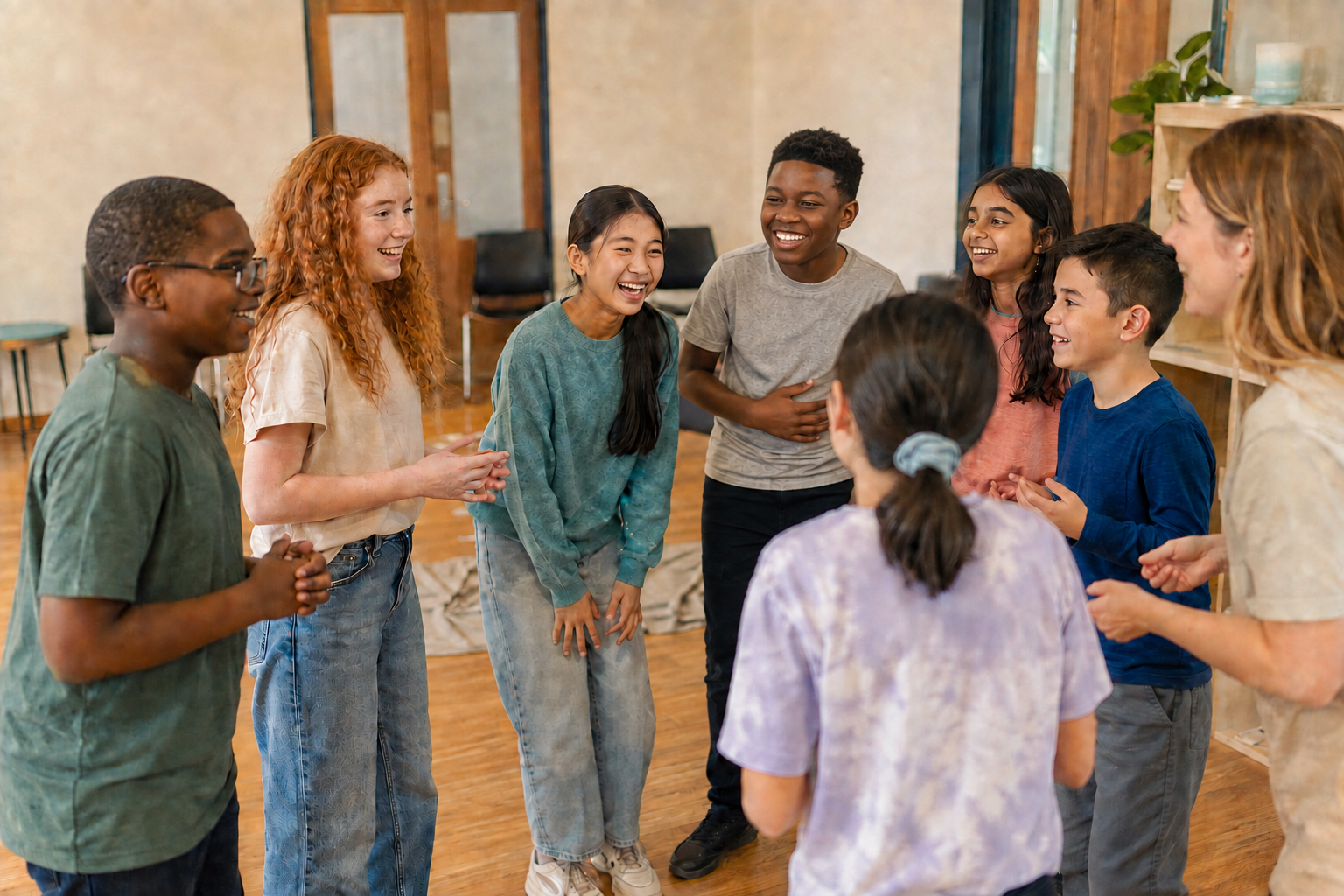
The Improv Mind Method framework and curriculum grew from years of work across mental health, education, improvisation, and community settings.
In 2008, while directing a day-treatment program for at-risk youth, Dr. Anthony Owliaie began integrating improvisational activities into the work. The games created laughter, but they also created engagement, confidence, connection, and growth.
Those experiences led to doctoral research at the University of Southern California. Drawing on the clinical understanding that awareness of our thoughts and feelings can create opportunities for growth, Dr. Anthony Owliaie explored how improvisation could bring those inner experiences into view. Research, curriculum development, piloting, and continued refinement gradually came together as Improv Mind Method.
Built through practice
Developed through doctoral research at the University of Southern California exploring improvisation as an experiential approach to youth development.
Shaped through clinical and community experience, curriculum development, real-world piloting, observation, and continued refinement.
Informed by selected principles associated with child-centered play therapy, cognitive behavioral therapy, and mindfulness-based cognitive therapy.
These foundations describe how IMM was developed and what informs its design. They do not, by themselves, establish specific participant outcomes or demonstrate that IMM is an evidence-based treatment.
IMM is an experiential learning framework and curriculum. It is not psychotherapy, clinical treatment, or a substitute for mental-health care.
Our Purpose
Improv Mind Method uses play and guided reflection to strengthen connection and support social, emotional, and behavioral well-being.